
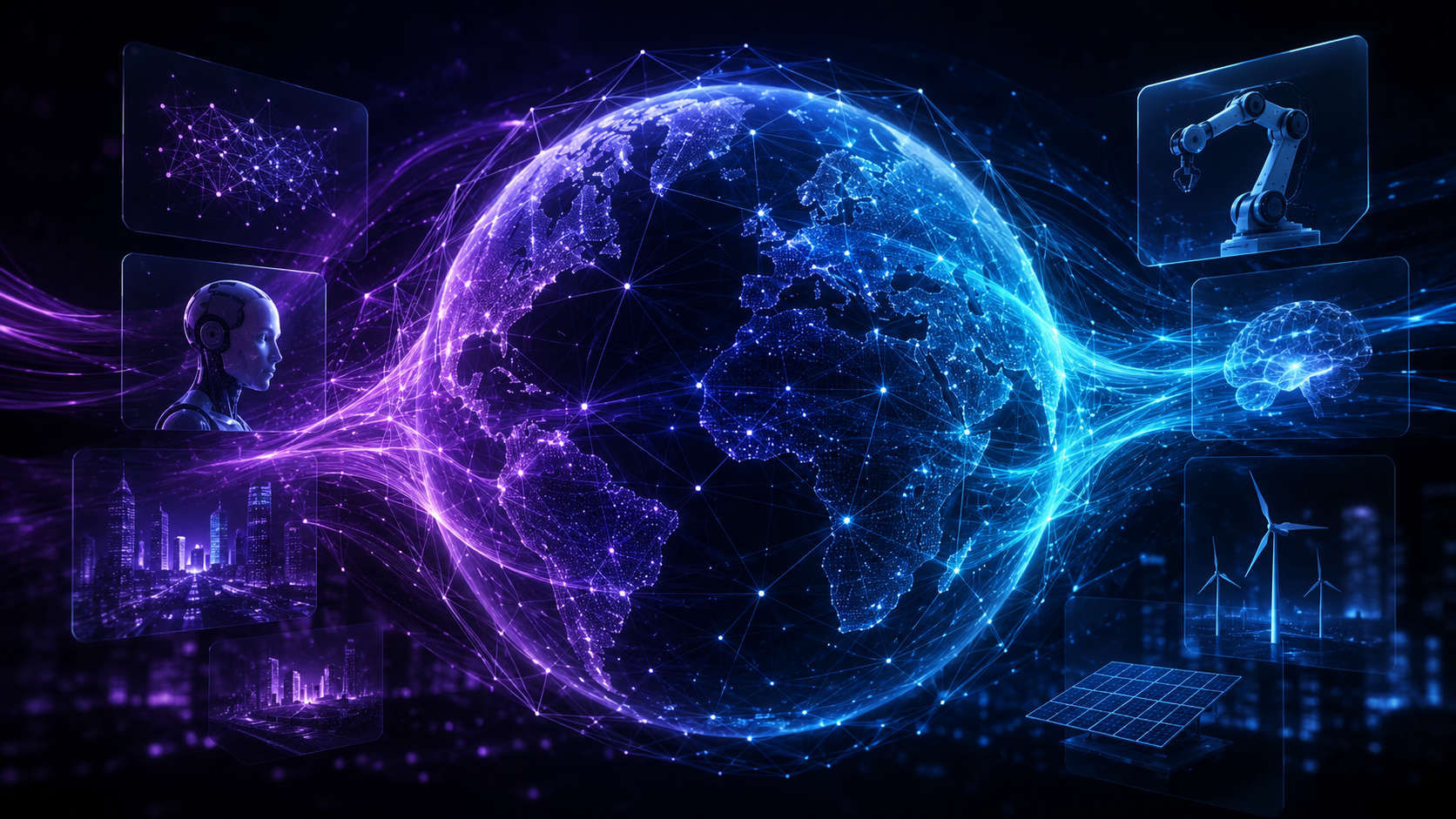
Every few decades a technology arrives that doesn't just add a new tool to the shelf — it quietly rewrites the shelf itself. Electricity did it. The internet did it. Artificial intelligence is doing it right now, and the pace is faster than anything that came before.
But between the breathless headlines and the doomsday predictions, a fair question gets lost: is AI actually going to change the whole world — or is this another cycle of hype? The honest answer is that it already is, just not always in the ways people expect.
What's genuinely changing
AI isn't a single invention. It's a general-purpose capability — the ability to turn messy, unstructured information into decisions and actions at near-zero marginal cost. That's why it spreads into every industry at once.
Work is being redefined, not just replaced
The popular fear is "AI takes your job." The reality on the ground is subtler: AI takes your tasks. A designer still designs, but drafts ten concepts in the time one used to take. A developer still architects systems, but writes boilerplate in seconds.
- Routine, repetitive work is automated first
- Judgment, taste, and relationships become more valuable, not less
- The gap widens between people who use AI well and those who ignore it
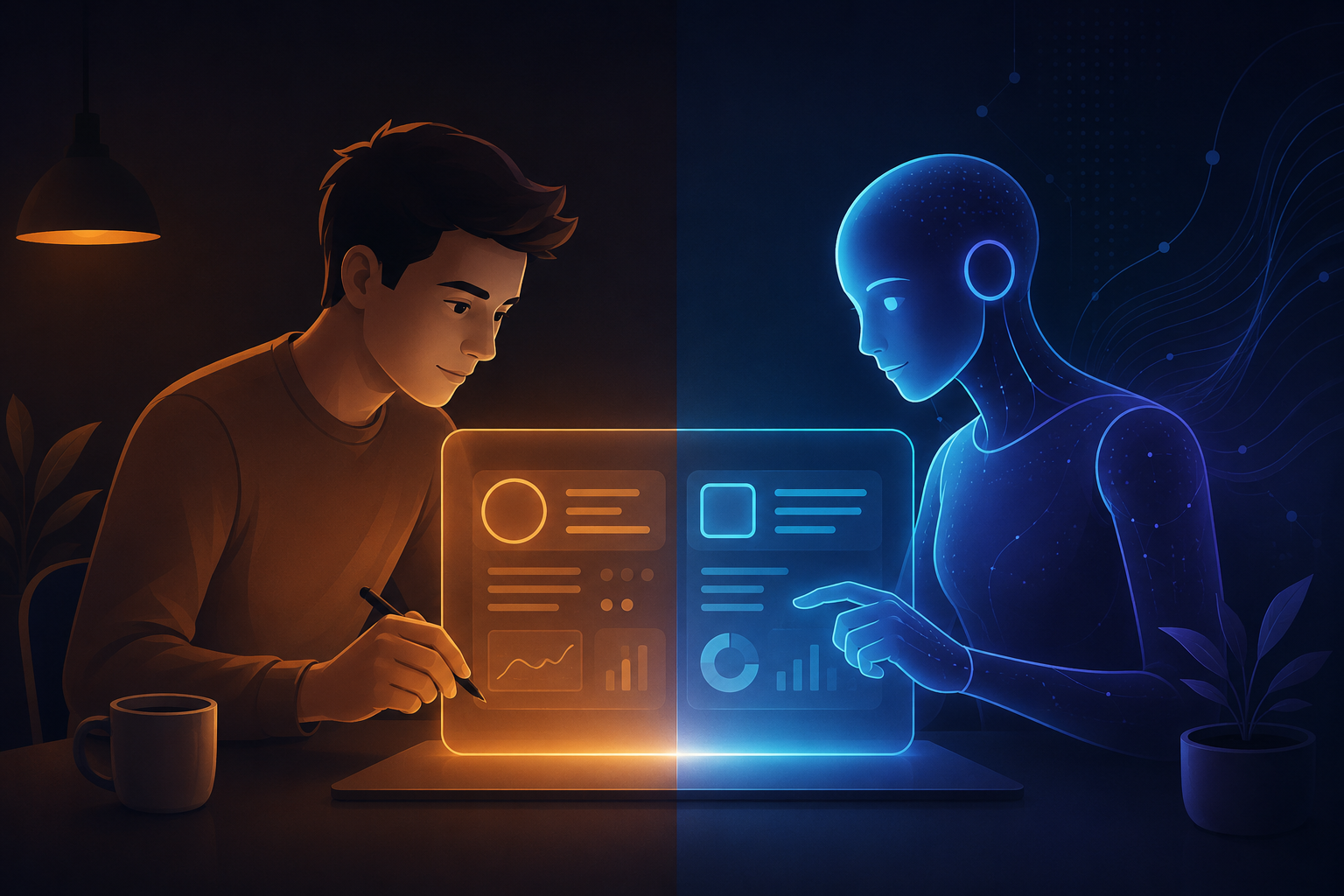
Small teams now punch far above their weight
The most underrated shift isn't happening at big tech companies — it's happening in one-person businesses and small teams. A solo founder can now run marketing, support, and operations with AI handling the busywork that used to require a full staff.
The barrier to building something valuable has never been lower. The barrier to standing out has never been higher.
Where the hype gets ahead of reality
Not everything the headlines promise is here yet — and pretending otherwise leads to bad decisions.
- AI is confident, not always correct. It can state wrong answers fluently, which makes human review essential in anything that matters.
- Data and context are the real bottleneck. A model is only as useful as the information and guardrails you give it.
- Adoption is slower than capability. The tech moves fast; organizations, regulations, and habits move slowly.
The world isn't changing overnight. It's changing unevenly — some corners transformed already, others barely touched.
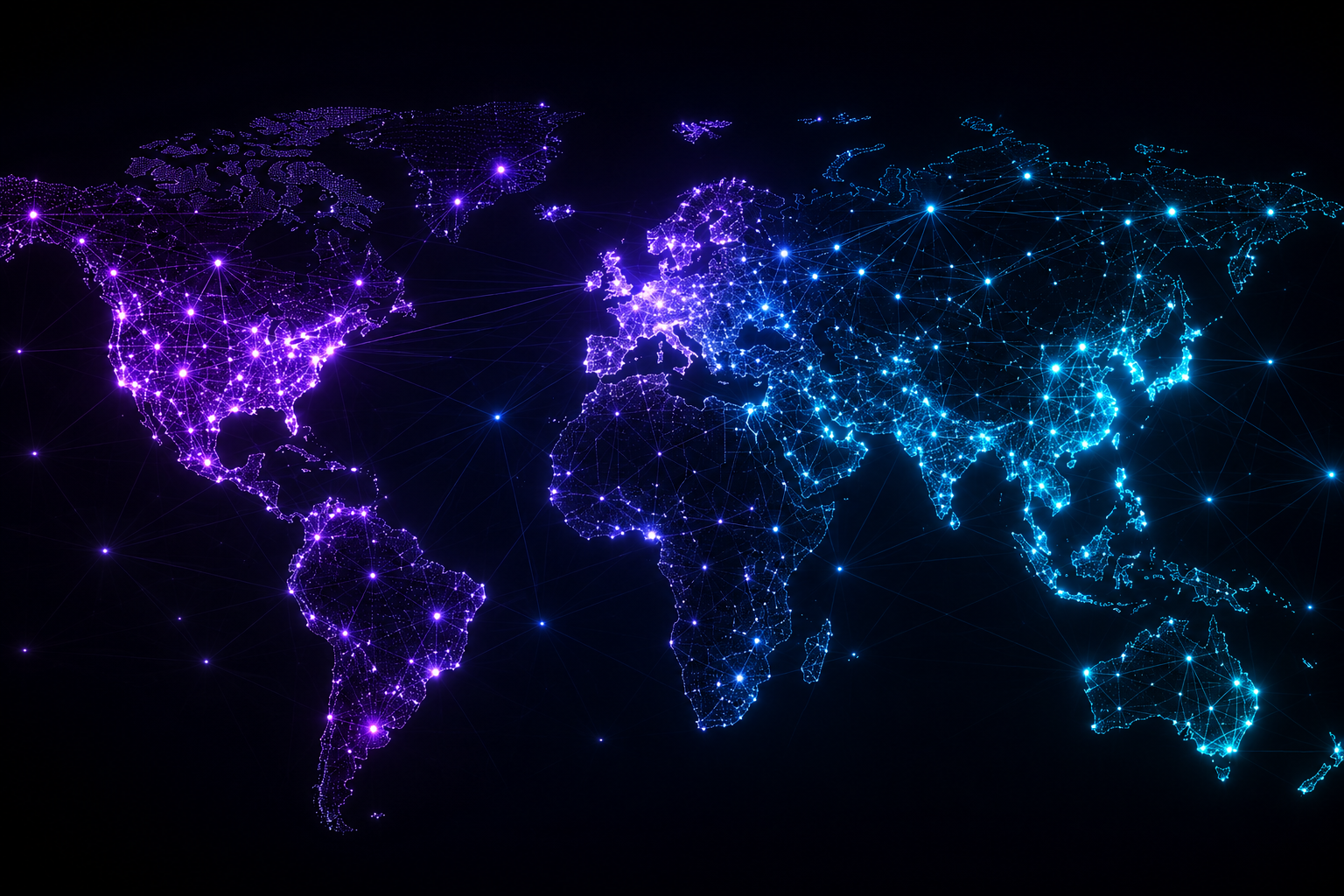
The industries feeling it first
Some fields are already past the point of no return:
- Software — code generation, testing, and debugging assistance
- Customer communication — instant, 24/7, multilingual support
- Content and design — first drafts in seconds, iteration in minutes
- Data and research — summarizing and analyzing what no human could read in time
If your business touches any of these, the question isn't whether to adapt — it's how quickly.
So, is it going to change the whole world?
Yes — but "change the world" rarely looks like a single dramatic moment. It looks like a thousand small workflows quietly getting faster, cheaper, and smarter until one day the old way feels unthinkable.
The people and businesses who thrive won't be the ones who feared AI or the ones who blindly trusted it. They'll be the ones who learned to direct it — pairing human judgment with machine speed.
That future isn't waiting on some distant breakthrough. It's being built right now, one automated workflow at a time.
Want to figure out where AI fits in your business? Book a strategy call and we'll map your biggest opportunity in 30 minutes.